

I am pleased to see real progress being made on an issue that I know continues to concern many people across our communities—ambulance waiting times.
For too long, delays have become the norm. Too many people have experienced long waiting times in worrying circumstances, and too many frontline staff have been stretched to their limits. So, it is really encouraging that the latest figures show not only improvement, but that the government’s targets have been exceeded. For serious incidents such as strokes or heart attacks, average response times have fallen by around 35%, dropping from roughly 46 minutes in 2023 to just over 30 minutes today.
This improvement reflects a combination of listening to the public, better joined-up thinking, and a long-term strategy across the whole of the NHS. But crucially, it also reflects the hard work of those on the front line.
Our paramedics, call handlers, and emergency response teams have faced immense pressure from rising demand, continually evolving challenges, and the lasting impact of the pandemic, yet they have continued to deliver for patients every day. I want to thank them for their hard work in making these improvements possible.



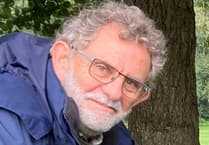
Last week, I had the opportunity to visit the emergency ambulance call centre in Bristol to see this work for myself. I spent time sitting alongside staff, listening to calls, and understanding the pace and pressure of the job. It is a fast-moving and demanding environment, where decisions are made in seconds and every moment counts.
Having that hands-on experience really matters. It builds on my own background in public service and reflects the way I approach local issues—getting out, seeing things for myself, and understanding how services work on the ground. Sitting alongside staff in the emergency call centre gave me a clear understanding of the pressures they face day-to-day, and it’s exactly that insight that helps me push for the improvements our communities need.
For us here in the Forest of Dean, this progress is particularly important. Rural areas face unique challenges in emergency healthcare. Distances are greater, roads can be slower, and communities are often more spread out. In rural areas, faster response times are more than a target—they make a real difference to healthcare outcomes.
That is why I am committed to pushing for improvements in emergency care for our constituency. Faster response times mean safer communities, better health outcomes, and greater peace of mind for residents across the Forest.
Of course, there is still more to do. We need to make sure these improvements are sustained and built upon, and that every part of the country sees the same level of progress. But this is a clear step in the right direction.
It shows that with the right focus and the right support, we can improve the services people rely on. And for me, that remains the priority—making sure that people here in the Forest of Dean can count on the care they need, when they need it most.
Comments
We've recently changed our login process. If you have an account for commenting, you will need to re-register on the login window.
This article has no comments yet. Be the first to leave a comment.