
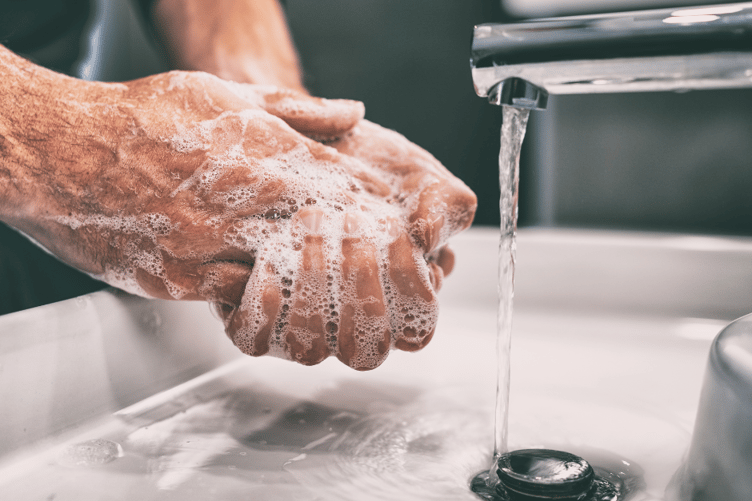
HEALTHCARE professionals in Gloucestershire reminded residents that “actions save lives” as the county recognised World Hand Hygiene Day yesterday (Tuesday, May 5).
World Hand Hygiene Day is a global campaign which highlights the vital role of good hand hygiene in preventing infection and protecting patients, healthcare professionals and communities.
Observed every year on May 5, the day reinforces the message that hand hygiene is everyone’s responsibility. World Hand Hygiene Day was established by the World Health Organisation (WHO) in 2009 as part of its Save Lives: Clean Your Hands initiative.
Kerry Holden, Deputy Director of Infection Prevention Control at NHS Gloucestershire Hospitals Foundation Trust said: “On this World Hand Hygiene Day, we are campaigning that action saves lives.




“Even the smallest of interventions could make the biggest difference when it comes to patient safety and the prevention of infection. I support good hand hygiene everyday by ensuring the provision of hand sanitiser at the point of care. This ensures staff are able to decontaminate their hands before any contact with a patient, or a procedure where there could be an increased risk of infection. This is what we call moment one of hand hygiene. We can all make a difference this hand hygiene day.”
The health service wanted to remind residents that effective hand hygiene is one of the simplest and most effective ways to prevent healthcare‑associated infections, it can help protect patients, visitors and health workers, and ultimately save lives and reduce avoidable healthcare costs.
An NHS Gloucestershire Hospitals Foundation Trust spokesperson said: “The message is clear. Clean hands save lives. Correct hand hygiene, combined with appropriate glove use, protects patients, staff and the environment.”
One of the key messages provided by the county’s healthcare professionals this year is that gloves do not replace good hand hygiene. It says while medical gloves are essential in situations where there is a risk of exposure to blood or body fluids, they are not a substitute for cleaning hands at the right time.
The NHS said gloves can become contaminated just like hands, wearing gloves between patients or across multiple procedures is unsafe, and the overuse of gloves contributes significantly to environmental harm.
An average hospital generates 1,634 tonnes of healthcare waste each year, much of it from single‑use items such as gloves. Most used gloves are classed as infectious waste, requiring energy‑intensive treatment and placing additional strain on waste management systems. The NHS believes appropriate glove use, alongside consistent hand hygiene, can significantly reduce this impact.
This concern was previously raised in 2024. A report in the Forester explained NHS Gloucestershire Hospitals was urging the correct use of gloves to staff as part of a campaign to reduce waste.
The campaign, which surfaced following that year’s Earth Day, repeated the message that “gloves don’t protect you, clean hands do”, as the service tried to achieve a 30 per cent reduction in its use of gloves.
You can find out more about World Hand Hygiene Day on the NHS website.
Comments
This article has no comments yet. Be the first to leave a comment.