
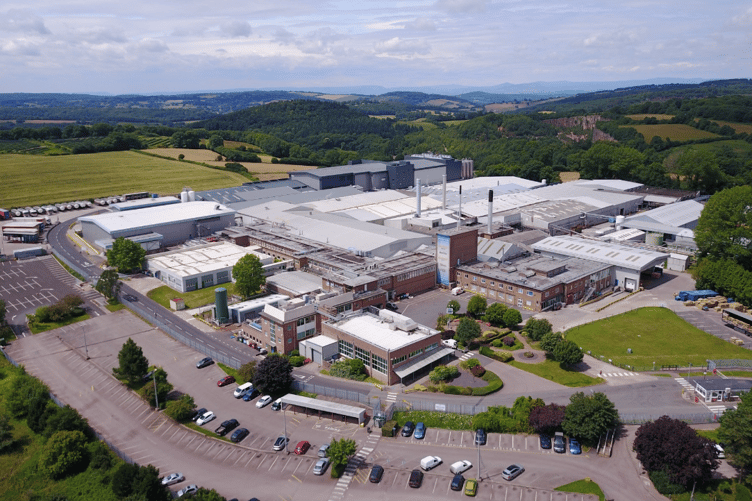
A major £25 million investment in the Coleford factory that produces Lucozade and Ribena was confirmed on Wednesday, February 25, marking a significant boost for manufacturing in the Forest of Dean.
Suntory Beverage & Food Great Britain & Ireland announced plans to install a new cutting-edge manufacturing line at its Coleford operation as part of a wider £57 million investment programme across its UK supply chain.
The confirmation comes in the factory’s 80th year and represents one of the most substantial commitments to the site in recent decades.
The new production line, known as Apollo 5, will replace two older Ribena lines that currently separate the production of concentrate and ready-to-drink formats.



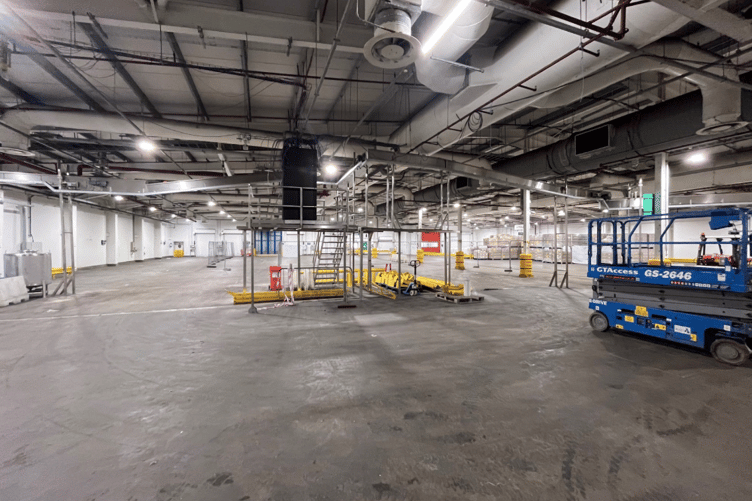
By bringing both formats onto a single high-speed line, the company says it will improve efficiency, reduce operational complexity and future-proof the factory for years to come. The line is expected to be operational in 2027, which will also mark the centenary of the Lucozade brand.
Once installed, the Apollo 5 line will be capable of producing up to 55,000 bottles an hour and will allow rapid changeovers between Lucozade and Ribena. The upgrade will be housed within a former production area on the Coleford site and represents a significant step forward in modernising the factory’s capabilities.
The company says the investment will also deliver important sustainability benefits. The new line will use aseptic technology, which relies on heat and pressurised air to clean bottles, reducing both energy and water use during the filling process.
This follows on from a major sustainability project announced last year to electrify the factory and cut its reliance on a gas turbine, forming part of a broader drive to reduce environmental impact.
Karl Ottomar, supply chain director at the company, said the investment was about more than replacing ageing equipment. He said the focus was on embracing new technology to make operations more efficient and resilient, while recognising the role played by the skilled workforce at Coleford in delivering continued improvements across the site.
Beyond the factory itself, the announcement is expected to provide a wider economic boost for the region. Around £2.1 million is forecast to be spent with local organisations across Gloucestershire, Herefordshire and South Wales during the construction phase of the project.
As one of the largest employers in the Forest of Dean, the company says the new line will help sustain hundreds of skilled roles and support long-term productivity and growth.
Forest of Dean MP Matt Bishop welcomed the confirmation, saying the investment underlined the importance of the district to the UK’s manufacturing base. He said it demonstrated a long-term commitment to the area and the people who work at the Coleford site, producing two of Britain’s most recognisable brands, while also showing how the Forest of Dean can play a central role in driving innovation and manufacturing excellence.
Work on the new line is due to begin later this year, with the first production run expected in early 2027, securing the future of the Coleford factory well into the next decade.
Comments
We've recently changed our login process. If you have an account for commenting, you will need to re-register on the login window.
This article has no comments yet. Be the first to leave a comment.