

This week in Westminster was a powerful reminder that politics is at its best when it listens to lived experience and turns it into action.
I stood alongside bereaved parents as they handed in a letter calling for stronger enforcement of online safety laws—laws that, had they been properly applied, could have saved their own children’s lives. Their message was clear, courageous and urgent: we must regulate social media to save lives.
These parents are calling for real technical oversight of social media platforms, stronger powers for Ofcom, and the ability to hold global tech companies to account. Many are also backing a social media ban for Under-16s to better protect children online. It was particularly moving to meet Ellen, who is campaigning for ‘Jools’ Law’, which would require the automatic preservation of a child’s online and social media data following their death—so families are not left fighting for answers at the worst moment of their lives.



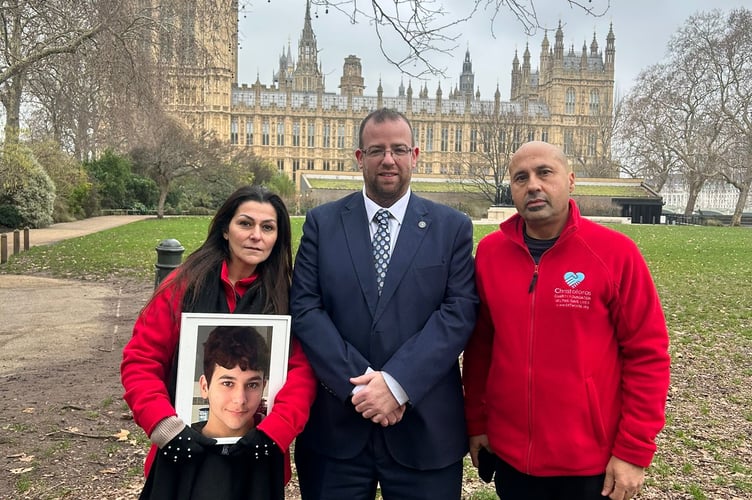
I want to pay tribute to every parent I met. Turning unimaginable grief into action that could save other children takes extraordinary strength. I will continue to stand with them and press for a safer online future for young people in the Forest of Dean and across the country.
That theme of children’s wellbeing in the digital age continued later in the week when I attended a discussion with the Secretary of State for Health and Social Care, Wes Streeting MP, alongside social psychologist Jonathan Haidt. Jonathan is best known for his 2024 book The Anxious Generation: How the Great Rewiring of Childhood Is Causing an Epidemic of Mental Illness, which has sparked wide debate about the impact of smartphones and social media on young people’s mental health. Haidt’s work has undeniably helped shed light on the challenges parents face in raising children in a world of constant digital connection. The discussion was thoughtful and grounded in evidence—and it reinforced the need for policy to address the realities young people face every day.
That is why I also welcome the Government’s announcement that it will develop the first-ever national guidance on screen use for under-fives. Screens are now a near-universal part of family life, with new research showing that 98 per cent of two-year-olds watch screens daily. The same research found that children with the highest screen use could say significantly fewer words than those with the lowest.
The new guidance, due in April and led by the Children’s Commissioner, will be practical, non-judgemental and shaped directly by parents.
Protecting children is vital, particularly online; it’s about recognising that childhood has changed, and that families deserve support, clarity and safeguards that match that change. From online safety laws to mental health recognition and early years development, my focus remains the same: making sure children are protected, and parents are supported.
As ever, please do get in touch and share your lived experiences with me, as it allows me to take your voice to Westminster and initiate the meaningful changes our communities need to see.
Comments
This article has no comments yet. Be the first to leave a comment.