

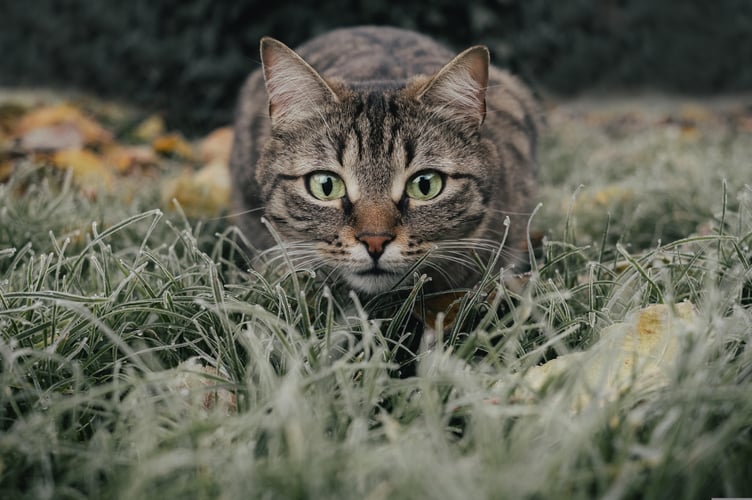
There are serious concerns domestic cats could kill and wipe out nightingales in an ancient Gloucestershire woodland if plans for a new 2,000-home town across the road get the go-ahead.
The Royal Society for the Protection of Birds (RSPB) reserve at Highnam Woods near Gloucester supports an important population of the small perching bird which is best known for its powerful and beautiful song.
Nightingales are a red listed species due to declines in their national population of around 90 per cent over the last half-century and the last census conducted in 2013 revealed that only 5,550 singing males remain in the UK, according to the RSPB.
They say annual surveys done at Highnam Woods suggest the population is centred on the southern section and numbers have declined from 20 singing males in 2001 to two in 2025.


And they are particularly concerned about the potential for a new town just south of the site on the other side of the A40 in Churcham which is being considered part of the Forest of Dean District Council’s draft blueprint for development over the next 20 years.
The assumed increase in domestic cats associated with the new homes are a particular threat to the ground-nesting bird, according to the RSPB.
“As nightingales nest on or near to the ground, they are highly vulnerable to the indirect effect associated with urbanisation, including domestic cat predation and recreational disturbance,” the RSPB said in their official response to the Local Plan consultation.
“Other effects, such as increased levels of anthropogenic noise and lighting are also likely to impact nightingale behaviour and breeding success.”
They also say in the letter that a UK study in 2014 found that buffers between important wildlife sites and where cat ownership was permitted is needed to avoid impacts.
“We would therefore consider any residential development within this distance from Highnam Woods to be introducing an unacceptable level of risk”.
Find out about planning applications that affect you by visiting the Public Notice Portal.
Comments
This article has no comments yet. Be the first to leave a comment.