
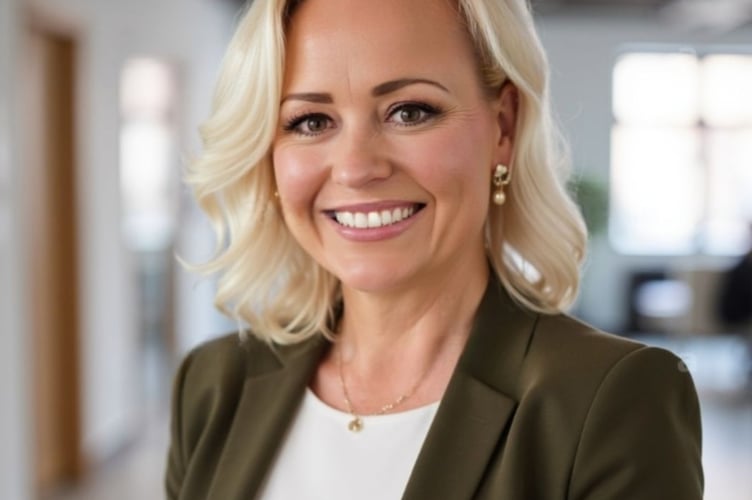
The Forest Economic Partnership (FEP) has announced it will create a “Forest Business Charter” ahead of elections for the new Gloucestershire Council next May.
The business group says it will be a set of clear, measurable commitments for the Forest economy that the new unitary council will be asked to adopt, and against which its performance will be publicly reported.
The charter will be developed in consultation with businesses across the district over the coming months, including sessions in each of the Forest’s four market towns this autumn.
Every candidate seeking to represent a Forest ward will be asked where they stand
Nicola Bird, Chair of the Forest Economic Partnership, said: “Now the unitary is decided our job is to make sure the Forest of Dean is not simply part of the conversation, but shaping it.“Success will not be measured by governance structures.
It will be measured by whether a young person in Cinderford has greater opportunities, whether a business in Mitcheldean can grow with confidence, whether manufacturers in Coleford can recruit the skilled workforce they need, and whether investment reaches every part of Gloucestershire – not just the obvious growth corridors.
“The Prime Minister has promised good growth in every postcode. We say: excellent – we’ll help you keep that promise, and we’ll measure it. GL14 to GL18 are postcodes too.”
The Forest has around 3,800 businesses, more than 90 per cent of which are micro businesses employing fewer than 10 people.
Manufacturing is the district’s largest industrial employer, and the visitor economy brought more than £400 million into the district in 2023 from over 5.8 million visits.
At the same time, average wages in the Forest are around 11 per cent below the England average, and the proportion of residents with no formal qualifications is roughly half as high again as the national rate.

Nicola added: “When the district council goes, the Forest Economic Partnership will be the independent voice that speaks for them – and the Charter is how we will turn the promise of growth in every postcode into something the Forest can measure.”
The final commitments will be shaped by Forest businesses themselves, but the consultation will focus on the areas where the gap between the Forest and the rest of the county is widest.
That includes: skills, pay and career pathways; recognition of the visitor economy as a strategic sector; practical support that reaches micro and small businesses in every market town; protecting economic development capacity for the Forest through the transition and a guaranteed Forest business voice in the new council’s economic structures from day one.
The partnership would report publicly on progress against the charter each year, beginning with the “shadow” authority in 2027 .
It will report not only on the new council’s delivery, but on whether national promises of growth in every postcode are being kept in the Forest’s postcodes.
Businesses that want to help shape the Charter – or to join the Partnership as it expands its membership – can register their interest at foresteconomicpartnership.co.uk.
Comments
This article has no comments yet. Be the first to leave a comment.