

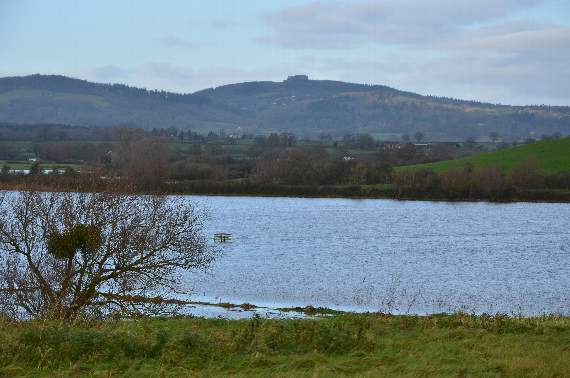
WHITEHALL has ruled out fracking on the more than 200 Sites of Special Scientific Interest in the Forest of Dean area.
The government backed down on its plan to allow fracking on nature sites of scientific importance across England last week.
This decision means hydraulic fracturing will not be permitted in areas such as May Hill, Walmore Common, Nagshead, Dymock Woods and Soudley Ponds as well as more than 200 sites spread out in the Forest of Dean district area.
Martin Harper, RSPB’s conservation director, said: “We are very pleased the government has indicated it intends to ban fracking in England’s best places for wildlife, Sites of Special Scientific Interest.



.jpeg?width=209&height=140&crop=209:145,smart&quality=75)
"It’s also good to see this ban extended to Natura 2000 sites - areas that are important for wildlife at a European level.
"We welcome the fact that the ban could apply to all existing and future licences for fracking.
“Government still intends to permit fracking beneath these sites, which we don’t think is sensible.
"The wider regulatory regime around fracking could still be improved and we have yet to see a compelling case that fracking is going to be compatible with the UK’s legally binding climate change commitments.
"But the announcement of last week’s consultation is the first step towards protecting some of England most important sites for wildlife from fracking.”
However the Forestry Commission has not ruled out the possibility of fracking taking place on its land.
A spokesperson for the Commission said: “The Forest of Dean has a long history of industrial activity, including Freemining, however, we have not been approached by any energy companies or developers regarding exploration or fracking on land we manage in the Forest of Dean.
“Any applications will be dealt with by existing regulatory and planning regimes that already provide sufficient protections for the development of safe and sound shale
gas operations.”
Comments
This article has no comments yet. Be the first to leave a comment.