

CALLS for Forest of Dean residents to have the final say on controversial UNESCO Biosphere Reserve plans have intensified, with councillors asked to consider a district-wide referendum.
A motion from Councillor Bernie O'Neill proposed putting the issue directly to voters alongside the May 2027 elections, with Forest of Dean District Council committing to honour the result.
The proposal appeared on the agenda for the full council meeting on Wednesday, October 28, alongside a separate motion questioning the financial case for pursuing international recognition.
Cllr O'Neill raised concerns about whether groups with longstanding connections to the Forest, including Commoners, Verderers and Freeminers, had been adequately involved in discussions.
His motion called for further engagement with parish and town councils and the creation of a representative community panel to scrutinise the proposal.
The panel would examine evidence both supporting and opposing Biosphere designation, then publish its findings so residents could make an informed decision before any referendum.
The call for a public vote adds another dimension to a debate that has divided opinion across the district, with residents questioning what the designation would mean for their communities.
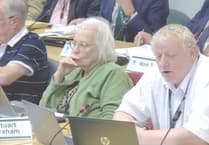
A second motion, submitted by Councillor Stuart Graham, challenged the economic justification for the project and called for the current consultation process to be suspended.
Cllr Graham questioned reliance on an economic appraisal dating from 2019 and the previously cited benefit-to-cost ratio of 3.89 to one.
He proposed commissioning an independent business case using the Treasury's Five Case Model, which examines strategic, economic, commercial, financial and management considerations.


His motion also called for the disputed ratio to be withdrawn from current council material while the underlying evidence was reassessed.
Supporters of Biosphere status say UNESCO recognition could strengthen the area's environmental reputation, encourage sustainable tourism and help attract partnerships and investment.
The district council has previously said the designation would not introduce new planning restrictions, change land ownership or remove traditional rights.
Nevertheless, opponents and sceptical residents have continued to raise concerns about costs, accountability and whether local communities would have meaningful influence over the process.
In May, councillors agreed to extend consultation by six months, giving residents, landowners and community organisations further opportunities to contribute.
The council subsequently held additional engagement sessions with parish and town councils in September and met representatives of the National Farmers' Union.
Those discussions formed part of efforts to gather views before deciding whether to proceed with an application for the UNESCO designation.
The latest motions place both the strength of the economic evidence and the question of democratic consent at the centre of the controversy.
A referendum would not happen automatically simply because one was proposed. Councillors would first need to agree how any vote should be organised and what question residents would be asked.
For many residents, the central question is no longer simply whether international recognition might benefit the Forest, but who should decide if the district pursues it and on what evidence.
The outcomes of Wednesday's meeting have not yet been officially confirmed.
To keep reading all your favourite stories online, subscribe to The Forester and use promo code LUKEDAVIS to get £10 off your annual subscription.
Comments
We've recently changed our login process. If you have an account for commenting, you will need to re-register on the login window.
This article has no comments yet. Be the first to leave a comment.