
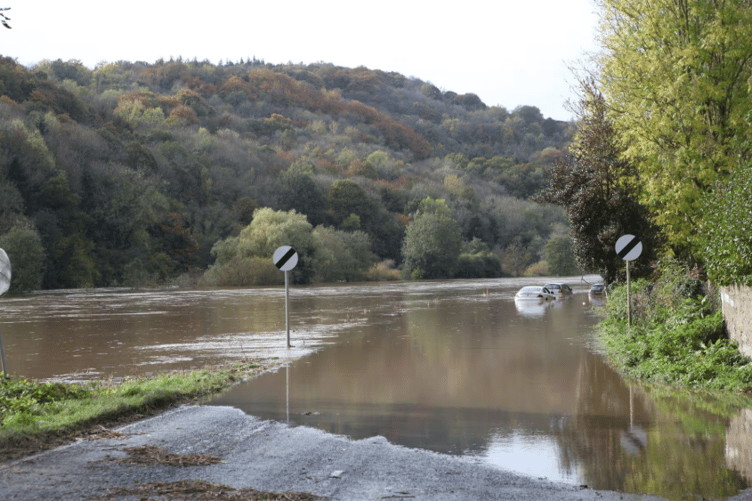
A RECORD-BREAKING El Niño developing in the Pacific could increase the chances of a wet and stormy start to winter in the Forest of Dean, followed by an increased risk of icy cold spells later in the season.
The Met Office confirmed last month that the developing El Niño had surpassed previous records, making it the strongest event in the observational record.
El Niño occurs when sea surface temperatures across the central and eastern equatorial Pacific become significantly warmer than average, altering weather patterns thousands of miles away.
Although the Forest is a long way from the Pacific, forecasters say the phenomenon can influence weather across north-west Europe, including the UK.
The Met Office says there is an increased likelihood of wetter and stormier conditions during autumn and early winter, while El Niño is associated with a greater risk of cold snaps later in the season.
It comes as the Forest heads into a period when heavy rainfall can already cause problems for communities, roads and woodland.
Several parts of the district are particularly vulnerable to flooding. Lydney and the Cinderford Brook catchment, including Cinderford, Ruspidge and Soudley, are areas where waterways can respond rapidly to heavy rainfall.
The district council's climate risk assessment has previously identified Lydney, Cinderford, Ruspidge and Soudley among the district's most flood-prone areas.
The River Wye can also cause problems around Lower Lydbrook following prolonged rainfall, while heavy rain can overwhelm road drainage and increase the risk of surface water flooding.
Stormier weather could also cause problems across the Forest's woodland and road network, particularly if strong winds arrive after prolonged rain has left the ground saturated.




Forestry England has been carrying out work to make waterways and woodland more resilient to extreme weather, including creating wetlands and reconnecting streams with floodplains to slow water moving downstream.
Extreme rainfall is also a consideration behind planned works at Cannop Ponds, where Forestry England says existing spillways need upgrading to cope with severe rainfall events expected under a changing climate.
However, residents could face a different weather threat as winter progresses.
Government scientists say October to December could see an increased chance of stronger westerly winds, low pressure, heavy rain and flooding, while early 2027 carries a slightly increased risk of northerly and easterly winds and sudden cold snaps.
That possibility comes as Forest of Dean District Council encourages residents to consider upgrading their heating ahead of the colder months.
The council has highlighted grants of £7,500 towards heat pumps, rising to £9,000 for homes currently heated by oil or LPG.
It said the support could be particularly relevant locally because more households in the district rely on oil and LPG heating than in many other areas.
Residents can contact Warm and Well on 0800 500 3076 for free advice about grants and other support to make homes warmer and more energy efficient.
Despite the unusual strength of this year's El Niño, forecasters stress that a severe Forest winter is not guaranteed.
The Met Office said El Niño is only one of several factors affecting Britain's weather, while it remains too early to predict individual storms, floods or snow events.
Comments
We've recently changed our login process. If you have an account for commenting, you will need to re-register on the login window.
This article has no comments yet. Be the first to leave a comment.