
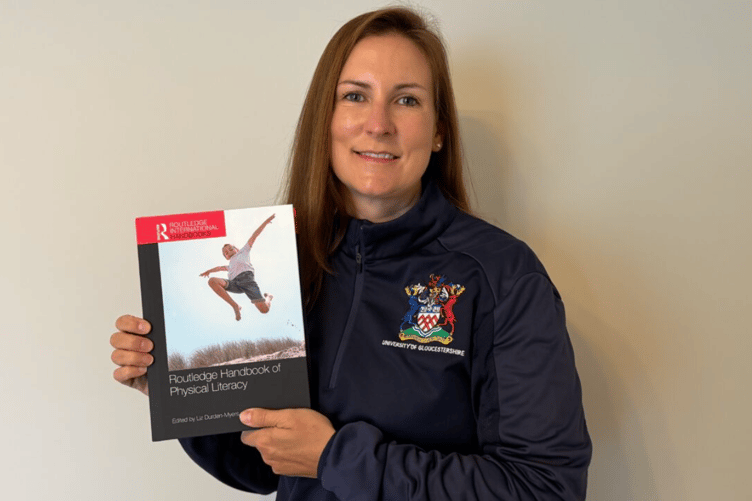
A GLOUCESTERSHIRE Professor has urged schools to take steps to ensure every child is made to feel valued, motivated and engaged on sports days.
Thousands of children will be excited about their upcoming school sports day and the opportunities to compete against their friends.
However for others, the events provoke a sense of dread, due to fear of finishing last or the worry about letting team-mates down.
Dr Liz Durden-Myers, Senior Lecturer in Physical Education at University of Gloucestershire, said: “This can be achieved by really considering the purpose of sports days and designing activities to ensure all children end the day feeling a sense of enjoyment and accomplishment.



“We are facing a global challenge in keeping young people engaged in sustained physical activity.
“Making sports days enjoyable for everyone isn’t just about avoiding a bad experience, it’s about designing meaningful physical activity experiences for all pupils, helping to form the foundation for health and wellbeing that lasts a lifetime.”
Dr Durden-Myers wants schools to develop sports days based on the concept of promoting physical literacy, defined by the International Physical Literacy Association as ‘the motivation, confidence, physical competence, knowledge, and understanding to value and take responsibility for engagement in physical activities for life’.
Dr Durden-Myers said: “For decades, school sports days have inspired either intense joy or absolute terror. If we want children to stay active for life, we must move past the traditional ‘winner-takes-all’ model.
“By designing sports days around the principles of physical literacy and focusing on personal progress, confidence, and variety, we can transform the potentially dreaded sports day into a more inclusive celebration of movement and physical activity.
“Every child deserves to leave the field or sports hall feeling like movement is meaningful and matters to them. A physical literacy informed approach doesn’t eliminate competition; rather, it broadens it to include personal bests, teamwork, and diverse movement experiences.”
Comments
This article has no comments yet. Be the first to leave a comment.