

A 31-year-old Drybook man has been fined £80 for obstructing a police officer.
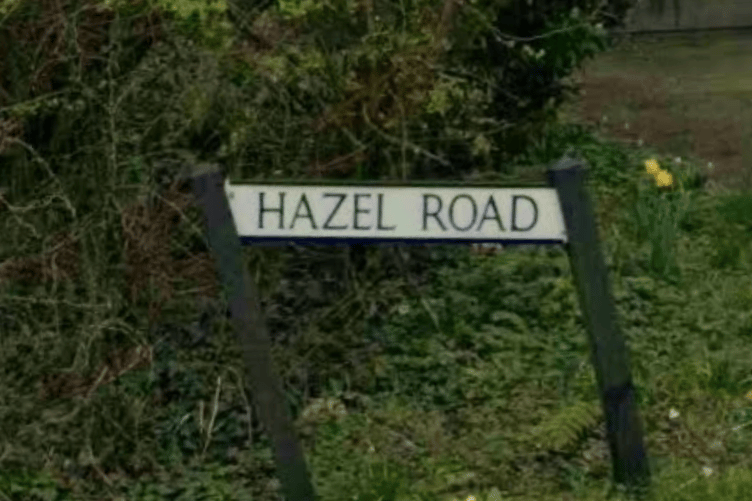
At Cheltenham Magistrates Court, Jake Edwards of Hazel Road, Drybrook, pleaded guilty to resisting a constable in the execution of his duty on 8th May this year.
The incident happened in Drybrook.
Edwards was fined £80 but the court made no order for costs or compensation.
The magistrates said they had considered awarding compensation but did not consider it appropriate in all the circumstances.
Why do we report court stories?
The public has a right to know what happens in court, and reporting helps to ensure that justice is done transparently, open to scrutiny and can be held to account. This principle is known as open justice.
Our journalists act as independent witnesses on behalf of the public. They explain proceedings that can otherwise feel technical, overwhelming or inaccessible, helping people understand what was decided and why.
Without court reporting, justice would take place behind closed doors.


Regulation supports, rather than undermines, public interest journalism by setting clear boundaries. We are regulated by IPSO and we must follow the Editors’ Code of Practice, which sets clear standards for accuracy, fairness and sensitivity.
Identifying defendants is part of open justice. Where possible, naming defendants ensures accountability, avoids secret justice, and allows the public to distinguish between allegations, acquittals and convictions.
It also helps prevent mistaken identity and rumour, which is also the case for identifying addresses of defendants.
Comments
We've recently changed our login process. If you have an account for commenting, you will need to re-register on the login window.
This article has no comments yet. Be the first to leave a comment.