
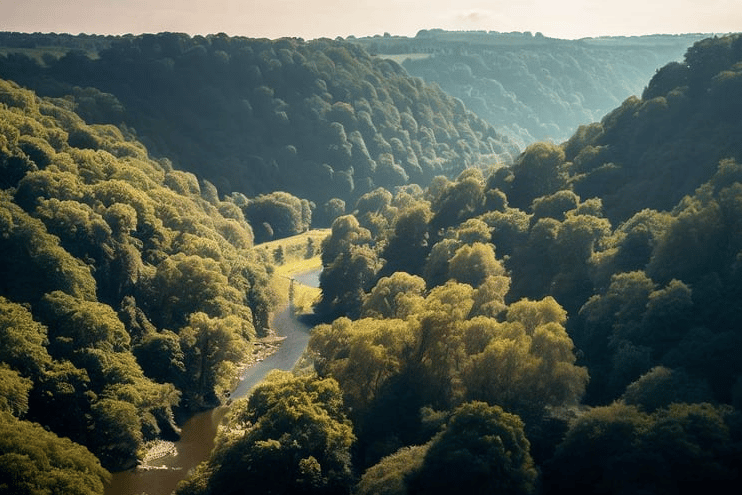
A NEW report has highlighted the Wye Valley as it calls on the Government to abandon what it describes as Westminster’s “obsession with environmental deregulation”.
The Wildlife Trusts published What have the Habitats Regulations ever done for us? on Thursday, August 27, defending rules which protect some of the country’s most important habitats and wildlife.
The report specifically points to the Wye Valley among landscapes it says have benefited from the regulations.
It said protections stretch “across the ash-hugged hills of the Wye Valley”, arguing that treasured landscapes have remained recognisable partly because damaging intensive activity has been kept away from protected sites.
The Habitats Regulations are intended to safeguard important habitats and species and require potential impacts to be considered when developments or other projects are proposed.
However, they have repeatedly become the subject of political debate, with critics arguing environmental requirements can delay development and infrastructure.
The Wildlife Trusts rejected claims that the regulations are an unnecessary barrier to economic growth, arguing instead that healthy natural environments support tourism, communities and the wider economy.
Its report cited Office for National Statistics figures suggesting visits to natural sites provide an annual £26billion benefit to the UK economy.
It also said protected habitats could help communities cope with increasingly extreme weather by holding water within landscapes and reducing the impact of drought, flooding and wildfires.
Report author Matt Browne, the Wildlife Trusts’ head of public affairs, said the regulations had protected rare and valuable habitats for decades while providing economic, health and social benefits.

He called on Prime Minister Andy Burnham’s Government to reconsider measures which the organisation believes could weaken existing environmental protections.
The Wildlife Trusts said weakening the regulations would accelerate nature loss and leave communities more vulnerable to the environmental and economic consequences of climate change.
Comments
We've recently changed our login process. If you have an account for commenting, you will need to re-register on the login window.
This article has no comments yet. Be the first to leave a comment.