

Like many of you, I have watched the recent unrest in France with shock and concern.
My thoughts are particularly with the people, business owners and communities affected, who face considerable uncertainty and disruption as they try to rebuild their lives and livelihoods.
The causes of the unrest are complex, and it would be wrong to draw simple conclusions. But there are lessons we should reflect on at home, particularly the importance of listening to people and understanding how decisions affect their everyday lives, especially in education.
That is something I have always believed in, through my previous work as a police officer and education welfare officer, and now as your MP and Vice-Chair of the All-Party Parliamentary Group on Education. Good decisions start with understanding the people they affect.
That is also why, since being elected, I have held a series of SEND events across the constituency, bringing together parents and education professionals to hear first-hand about their experiences, the challenges they face and where improvements are needed. Those conversations have reinforced how important it is that families and professionals have a voice in shaping local support.
As an education welfare officer, I learned that behind every attendance figure was a young person with their own circumstances, challenges and potential. Understanding why a child was missing lessons meant listening to them, their family and the people who knew them best. My experience in policing taught me much the same: lasting solutions come from understanding situations on the ground.
That is why I believe school leaders should have a strong voice in decisions about how their schools are run. They understand their pupils and communities in a way that those of us in Westminster cannot fully replicate. National government has an essential role in setting standards, providing resources and ensuring fairness, but local knowledge must always be part of the conversation.
The debate around academy status, including the 2016 proposals to move all state schools towards academies, raised important questions about where decision-making should sit. Ultimately, what matters is not a school's status but whether it has the leadership, support and freedom to meet its pupils' needs. Here in the Forest of Dean, we have excellent schools, and I have seen that up close.
There are encouraging steps nationally. The Government has recruited 4,654 additional teachers towards its target of 6,500 by 2029. Retaining experienced teachers is just as important as recruitment. We must also recognise the teaching assistants, administrators, catering teams and caretakers who help keep our schools running.
Vocational education matters too, giving young people routes into work that reflect their ambitions and local employers' needs.

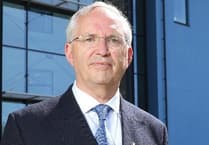

I see the importance of listening to local schools particularly clearly here in the Forest of Dean. That is why I am campaigning so hard for a new building for Forest High. Its pupils and staff deserve facilities that meet their needs and give young people the best possible opportunities.
Good government means listening, understanding and giving communities a genuine stake in shaping the services that affect their lives.
Comments
We've recently changed our login process. If you have an account for commenting, you will need to re-register on the login window.
This article has no comments yet. Be the first to leave a comment.