
In the far off days when coal was the principal means of providing heat for domestic and industrial purposes, coal mines were the most important industry, which permitted all the other industrial processes to take place efficiently and fuelled the industrial revolution.
From my schooldays in the north east of England I remember geography lessons with maps showing large areas of coal mining areas of the country, with large areas of south Wales, Yorkshire, Staffordshire, north east England and central Scotland and the Midlands, all coloured in black to represent coal mining areas. The Forest of Dean was also shown in black, but as a smaller mining area did not feature much in the historical academic world.
But there was a historical event which made forest miners more relevant to British history. The north east of England as also scene of an early mediaeval event, the siege of Berwick Castle in the 14th century, when Forest of Dean miners were brought in to use their famous mining skills to undermine the Castle which had been held by the Scots, and deliver it to Edward III of England, which they did with great success.
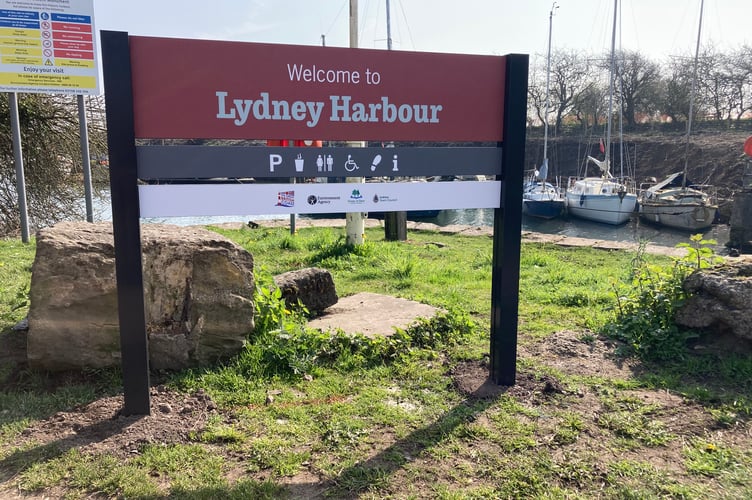
In this almost coal-free society coal mining has become a feature of the industrial revolution which is disappearing into the forgotten. The tramping of miners’ boots on paths in Forest villages as they walked to their pits in the morning, the fatal industrial accidents and the big miners’ festivals are a forgotten part of Forest life for most Forest residents. The ‘pea-soup’ smogs which reduced visibility in London streets are no more, and Lydney harbour, a former busy industrial port for the export of ‘Black Coal’, is now a gentle recreational location.


‘Black Coal’ is the title of Jeremy Paxman’s magisterial history of coalmining in this country, and shows the collapse of the great mining industry over the last 60 years, when commercial mining in the Forest ended, and the great strike by miners in the 1980s was not enough to save the industry.
The novel by Ralph Anstis ‘Let the Hero Be the Hungry Man’ commemorates the dilemma of miners and their families in the mid 19th century when rapacious mine owners enjoyed a life of wealth while miners’ families lived in poverty. Ralph dramatized the book into a play, performed by Parkend Players, which demonstrated this eternal struggle between capital and labour from the point of view of a mining community. Strike and lose, or concede to pay cuts? No satisfactory answer.
Forest mining is still practised In scattered single person mines, which you may come across as you walk through remote parts of the forest, and there are tours available at Hopewell Colliery, which conducts mine tours as well as displaying a wealth of information on the adjoining café.
And at All Saints Church, Newland, there is an old brass engraving known as "the Miners Brass", showing a Forest miner with a candle in his mouth, a pick axe in his hand, and a hod. An iconic Forest View.
Comments
We've recently changed our login process. If you have an account for commenting, you will need to re-register on the login window.
This article has no comments yet. Be the first to leave a comment.