

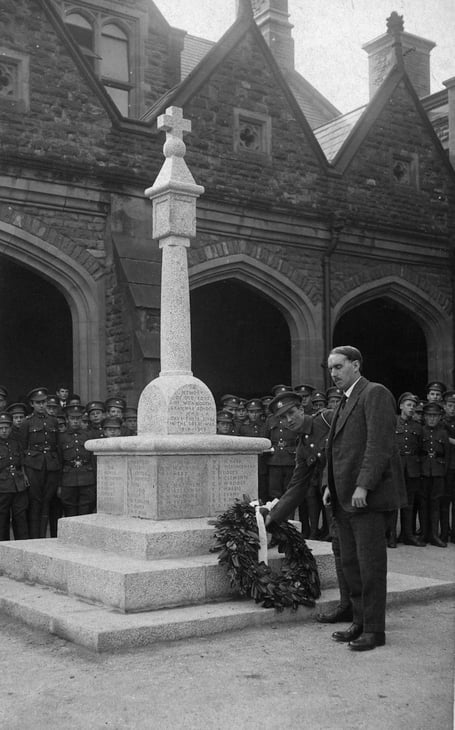
A VICTORIA Cross won by a Forester in the First World War is to have a new home at the National Army Museum in London.
Part of Lord Ashcroft's collection of VCs and George Crosses, the VC was won by Coleford’s Angus Buchanan, who served in WWI after attending Monmouth School.
The collection is the largest of its kind in the world, built up by Lord Ashcroft over 40 years and includes nearly 250 VCs and a smaller number of GCs.




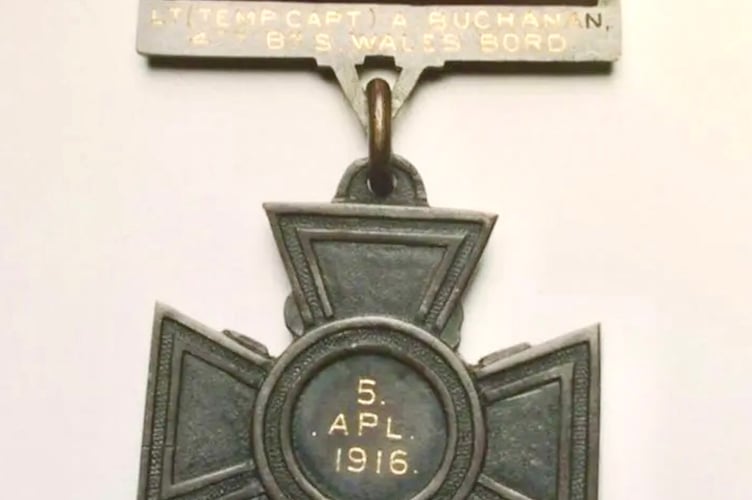
It was previously housed at the Imperial War Museum, London, which closed the Lord Ashcroft Gallery in September last year after 15 years.
Angus Buchanan suffered serious injuries saving a fallen colleague, and on recovery returned to active duties, where he was blinded in action.
But back in civilian life, he led an active life, qualifying as a solicitor and becoming an important member of the Coleford community, although he never fully recovered from his injuries, dying in 1944.
His legacy was the ABVCRG, the Angus Buchanan VC Recreation Ground, which has provided recreational facilities for the Coleford area for 100 years.
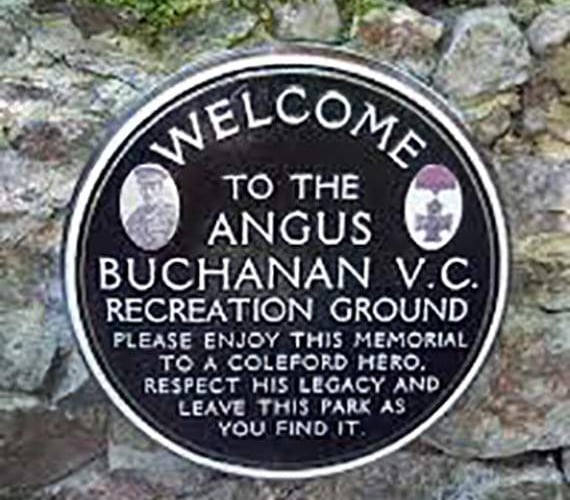
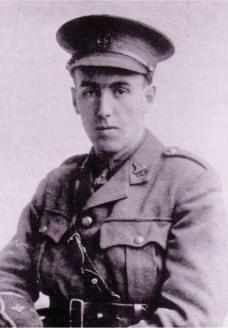
Buchanan was the son of a doctor from Coleford. He was educated at Monmouth School, where he was head boy. In 1913 he went to Jesus College, Oxford to study classics.
One of his tutors described him as “thoroughly Scotch and rather reserved, but a hard worker and likely to be a good influence in the College".
He rowed for the college in 1914, played rugby and was Secretary of the Athletics Club. He then joined the Army, where he served at Gallipoli and in Mesopotamia. He was awarded the Military Cross in 1916, and was mentioned four times in despatches.
Buchanan was 21 years old, and a temporary captain in the 4th Battalion, South Wales Borderers, British Army during the First World War when the action for which he received his Victoria Cross took place, in the attempts to relieve the British forces besieged at Kut.
On 5 April 1916 at the Falauyah Lines he rescued two wounded men while under heavy enemy fire.
On 8 November 1917, now permanently blinded by his injuries, he was invested with the Victoria Cross and the Military Cross at a ceremony on Durdham Downs, Bristol, by King George V.
Lord Ashcroft began his collection of VCs in 1986 with the purchase of a single medal group at auction. The VC, instituted by Queen Victoria in 1856, is Britain and the Commonwealth's most prestigious decoration for valour in the presence of the enemy.
Lord Ashcroft's collection of VCs includes one of just three VCs and Bars – the equivalent of two VCs – that have been awarded over the past 170 years.
This is the medal group awarded to Captain Noel Chavasse VC & Bar, MC, a medical officer who served and was killed during the Great War.
The VC and GC collection will go on display at the National Army Museum within the next two years.
Comments
We've recently changed our login process. If you have an account for commenting, you will need to re-register on the login window.
This article has no comments yet. Be the first to leave a comment.