
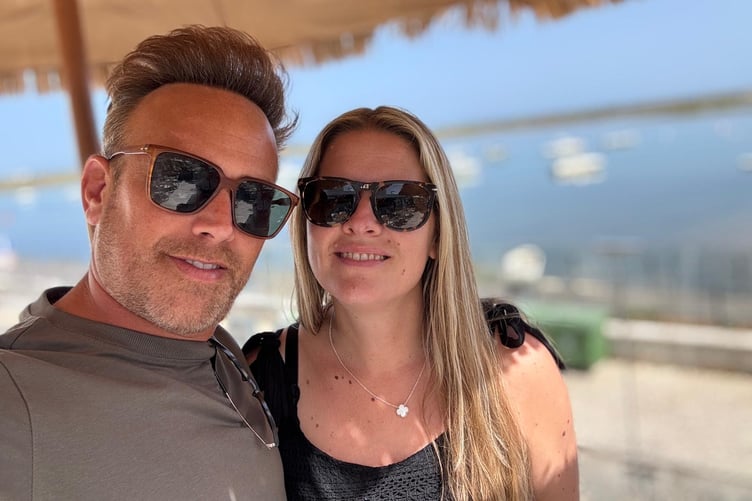
FOR most people, joining the stem cell donor register is something they think about for a few moments before moving on with their day. It is a quick online form, a mouth swab sent through the post and a small chance that one day they could be called upon to help save somebody’s life.
But for Newent local Vicki Pratt, becoming a stem cell donor carried far more meaning.
As the UK marks World Blood Cancer Day today, blood cancer charity DKMS is urging more people across the South West to sign up to its donor register after new figures revealed the region is lagging behind the national average for registrations.
According to the charity, just 2.8 per cent of people aged between 16 and 55 in the South West are currently registered as potential stem cell donors with DKMS. That figure falls below the UK average of 3.1 per cent at a time when thousands of patients remain in desperate need of matching donors.
Every 14 minutes somebody in the UK is diagnosed with blood cancer. For many of those patients, a stem cell transplant represents their best chance of survival. Yet finding a match can often prove difficult, especially for those from minority ethnic backgrounds where donor numbers remain far lower.
At any one time, around 2,000 people in the UK are waiting for a stem cell transplant.
For Mrs Pratt, the issue is deeply personal.
When she was young, her father Gary was diagnosed with blood cancer. He later received a stem cell transplant which extended his life by two years before he died when she was 17 years old.
Years later, after hearing about a friend’s son receiving a successful transplant from an anonymous donor, she was reminded once again of the difference donors can make.
She signed up to the DKMS register with little hesitation.
“Signing up was really easy,” Mrs Pratt said.
“I ordered a kit from the DKMS website, did the mouth swabs and sent it back in the post.”
Like most people who join the register, she did not expect to ever receive a call.
But earlier this year DKMS contacted her to say she was a match for somebody undergoing treatment.
“I was over the moon,” she said.
In an emotional twist, the date chosen for the donation happened to fall on the anniversary of her father’s death.
“I actually got goosebumps,” Mrs Pratt said.
“It felt like I really got to honour my dad. I felt even closer to him on his anniversary.”
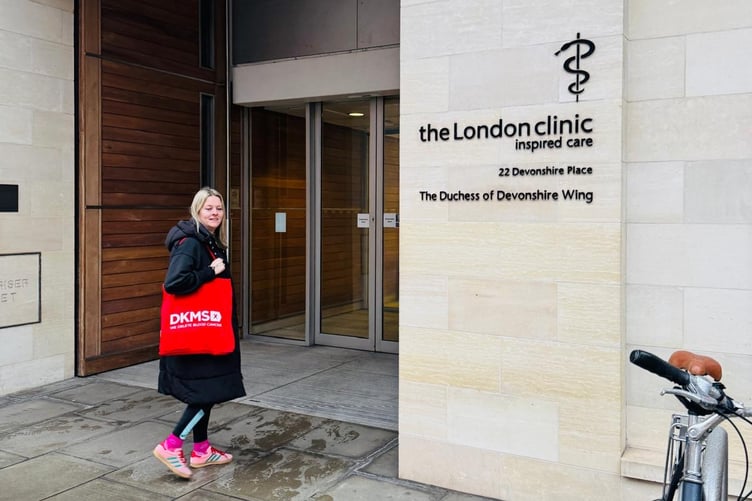
She travelled to London with her husband for the procedure, which was completed in a single outpatient appointment similar to donating blood platelets.
During the process she donated eight million stem cells, more than enough for the patient waiting to receive them.
Those stem cells were then flown to Italy, where a woman undergoing treatment was waiting for the transplant that could potentially save her life.
“It was such a privilege to be able to help someone,” Mrs Pratt said.
“I know more than most what it means to receive a stem cell transplant. My mum and husband found it really emotional as well.”
For her, the experience has reinforced how simple it can be to make a life changing difference to another person.
“It just shows how easy it can be to help another person,” she added.
DKMS spokesperson Bronagh Hughes said the charity hopes World Blood Cancer Day will encourage more people across Gloucestershire and the wider South West to consider joining the register.
“When a patient needs a stem cell transplant, most will not find a donor within their immediate family,” she said.
“Patients rely on finding a stranger on the register who is a compatible match and who can offer them a second chance at life.
“Most people who register will never be called to donate, but if you are matched, you could save somebody’s life.”
Stem cell donation is often misunderstood, with many people wrongly believing the process is painful or highly invasive.
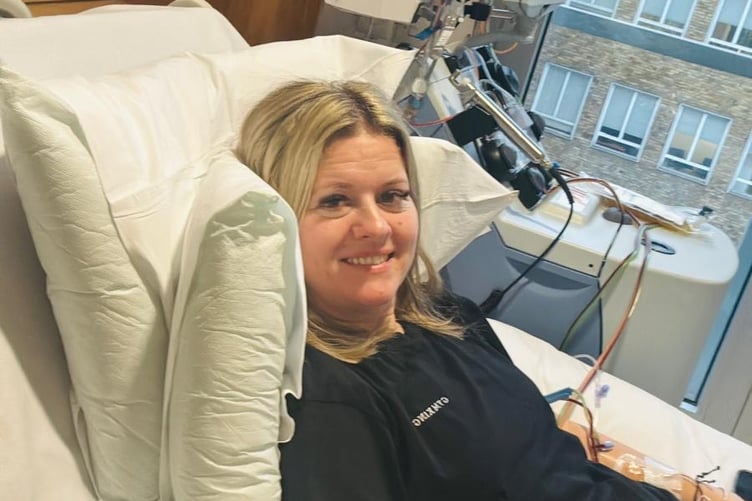
However, DKMS says that in nine out of ten cases, donation is carried out through a straightforward outpatient procedure similar to blood platelet donation.
Potential donors simply complete mouth swabs at home before being added to the register. Those eligible must be aged between 16 and 55 and in general good health.
The charity is also continuing efforts to improve diversity on the donor register.
Only 16 per cent of registered donors come from minority ethnic backgrounds, despite patients being far more likely to match with somebody of a similar ethnic heritage.
DKMS was founded in Germany in 1991 after Peter Harf’s wife Mechtild was diagnosed with leukaemia and struggled to find a matching donor. The organisation has since grown into one of the world’s leading stem cell charities, with more than 12.5 million registered donors worldwide.
Since launching in the UK in 2013, DKMS has registered more than one million potential stem cell donors and helped provide more than 2,500 second chances at life.
Mrs Pratt is now encouraging others across the Forest of Dean to take the same step she did.
“I would absolutely encourage people to get signed up to the register,” she said.
“I’d do it again tomorrow. If you can help someone, why wouldn’t you?”
Blood cancers are now the third biggest cause of cancer deaths in the UK, yet charities say awareness around stem cell donation remains far lower than awareness surrounding blood donation or organ donation.
DKMS believes increasing registrations in areas such as Gloucestershire could dramatically improve survival chances for patients waiting for matches. The charity is urging anyone eligible to order a free swab kit through its website and spend a few minutes joining the register.
For families facing blood cancer diagnoses, those few minutes could eventually lead to a future. For Mrs Pratt, that possibility makes joining worthwhile, because behind every registration is the chance to give somebody else more time with the people they love.
Comments
We've recently changed our login process. If you have an account for commenting, you will need to re-register on the login window.
This article has no comments yet. Be the first to leave a comment.