
Thousands of Dean householders are being offered free tests in a survey to find a silent killer linked to lung cancer.
Health chiefs and councillors have joined forces on a pilot project because the Forest of Dean is a radon and smoking hotspot.
But there are very few grants for householders to combat the colourless, odourless naturally occurring radioactive gas, caused by small amounts of uranium in the soil.
Smokers living in house with high radon levels are particularly vulnerable and it can increase their chance of developing the disease from one in seven to as high as one in three.
Even ex-smokers are at a subtantially higher risk from the deadly combination, which is responsible for over 1,100 early deaths in the UK each year.
Health chiefs agreed to invest £7,000 in the pilot study because smoking rates in the Forest are among the highest in the county, around one in five.
The Forest of Dean District Council, the Health Protection Agency and NHS Gloucestershire are involved in the pilot to offer £50 tests, free of charge to 2,250 homes in vulnerable areas.
Homes in Ruardean, Brierley, Lydbrook, Drybrook and parts of Cinderford and Lydney have between a 10 and 30 per cent chance of having radon levels above the recommended maximum.
Most newer properties will be safe but the owners of older buildings may need to take steps such as installing sumps and improving ventilation, which can cost up to £1,000. Only those on benefits will get grants.
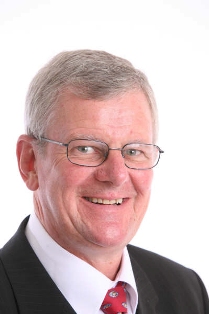
Lydbrook Labour councillor Bruce Hogan is one of around 600 people who have agreed to the monitoring test which takes three months.
He said: "I have spoken to one person who did not want it because they were worried about it devaluing their property, but personally I would rather know.
"The worse thing would be to have raised radon levels and be unaware of it because it does have significant long term effects on health.
"If, after the survey, there does turn out to be a significant radon problem in this area, the council should lobby for financial help for those who find themselves in that position and cannot afford to do anything about it. Maybe some of the money earmarked for thermal insulation could be diverted."
A council spokesman said: "As in other parts of the UK, there are areas of our district where radon levels are naturally high. We've written to householders in these particular areas to offer free tests.
"Householders that receive a letter should not worry because, if needed, corrective measures to reduce the amount of radon in a property are generally simple and effective.
"We are happy to offer follow-up advice on how to reduce radon levels in the home and can also offer help for people that want to stop smoking."
Comments
This article has no comments yet. Be the first to leave a comment.