
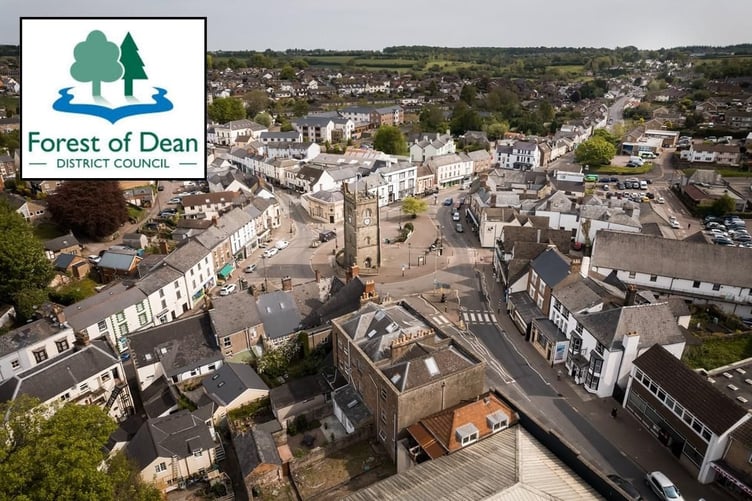
A CITIZEN-LED climate project in Coleford has been highlighted as an example of best practice in a new national case study showcasing how communities can help shape responses to climate change.
The project has been featured on the MACC Hub’s UK Adapt Map, an interactive online resource bringing together locally led climate adaptation projects from across the country.
The map aims to share practical examples of how communities, councils and organisations are responding to climate risks while supporting wider learning between regions.
The Forest of Dean initiative was developed in partnership between Forest of Dean District Council, Coleford Town Council and public participation charity Involve during 2025.
Over five deliberative sessions held between May and July, 19 residents worked together to answer the question: “How can we create a happy and fair future for Coleford while working together to respond to the challenges of climate change?”
The project formed part of the Innovate UK Net Zero Living programme, which supports local authorities in overcoming barriers to delivering climate action.
Participants, selected through a sortition process designed to reflect the town’s demographics, produced a long-term vision for Coleford alongside nine recommendations covering climate action, wellbeing, jobs and community resilience.
The recommendations were developed following discussions with residents, young people, local organisations and climate specialists, with more than 290 people contributing through wider outreach events, including sessions at the town library, The Main Place community hub and local schools.
The wider engagement helped identify what people valued most about living in Coleford and informed discussions throughout the citizen visioning process.
According to the case study, the work has already influenced several local policies and initiatives.



The recommendations have been fed into revisions of Forest of Dean District Council’s Climate and Nature Emergency Strategy and Action Plan, while also helping shape the authority's Climate Change Community Engagement Plan.
The report says the project has also informed Coleford Town Council’s neighbourhood planning work and climate adaptation plans, while strengthening new-build housing standards to encourage renewable energy generation.
Among the practical outcomes highlighted is the creation of a new intergenerational skills space in the former St John’s Ambulance building, inspired by one of the residents’ recommendations. The report says the project also strengthened relationships between councils, community organisations and regional partners working on climate initiatives.
The district council also reviewed the way it communicates climate information after participants said residents wanted clearer and more accessible updates. As a result, the authority has introduced new communication methods, including a regular local radio slot and a series of "Nature and Climate Action Stories" featuring interviews and community projects.
The national case study concludes that involving residents directly in climate planning can produce practical, locally focused solutions while helping councils build stronger community support for future action.
It also recommends close collaboration between different levels of local government to ensure community-led recommendations can be delivered effectively, particularly as local authorities prepare for future changes to council structures.
The findings are intended to help other communities across the UK develop similar approaches to climate adaptation, community engagement and long-term local resilience planning.
Comments
This article has no comments yet. Be the first to leave a comment.