

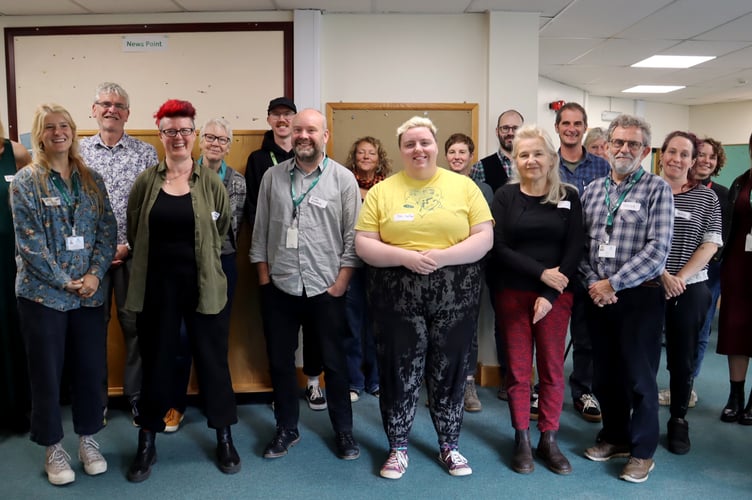
Forest of Dean District Council has launched a pioneering LGBTQIA+ Community Climate Action Plan (CCAP) - the first of its kind in the district - developed in close partnership with residents, community leaders and local organisations.
The plan was shaped through a year-long programme made possible by funding from Innovate UK, aimed at identifying and beginning to remove barriers to tackling climate change. Surveys, workshops and community-led discussions helped bring visibility to lived experiences that are often overlooked in rural areas.
As part of this work, a community-wide survey reached 46 LGBTQIA+ individuals across the Forest of Dean and provided essential insights into key challenges; including housing affordability, climate-related concerns and everyday access issues in a rural setting.
Cabinet Member for Communities, Cllr Jackie Dale, said: “We are proud to launch this Community Climate Action Plan, created by and for residents. Climate change affects everyone, but not equally. This work helps ensure the journey to a greener, fairer Forest of Dean is shaped by voices that have too often been left out of the conversation.”



A shared vision developed during the engagement process is underpinned by three key priorities: protecting nature, supporting physical and mental wellbeing, and strengthening communities.
The plan recognises the higher risk of isolation and disconnection faced by LGBTQIA+ people in rural areas, alongside specific challenges such as access to appropriate healthcare. While issues like housing affordability affect many residents, marginalised communities can face additional barriers, including discrimination.
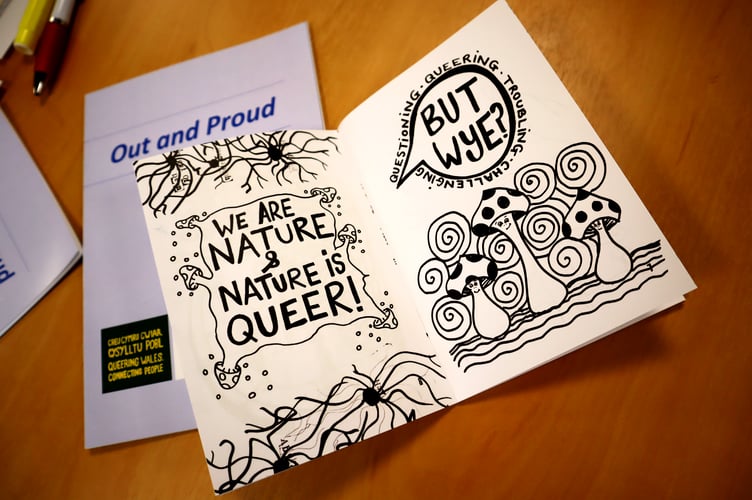
It also highlights the positive action already being taken by participants, from saving energy and recycling to choosing sustainable travel and reducing fast fashion consumption.
Respect for the Forest was a strong theme throughout the process, with many participants describing the mental health benefits of spending time outdoors and the sense of belonging that nature can provide. Creative activities, community projects and environmental protection were identified as important ways to build connection.
The plan sets out practical, co-benefit actions that address climate resilience and social wellbeing together, supported by measurable outcomes and ongoing monitoring. Proposals include improving access to natural spaces, better-targeted mental health support, shared resources, and inclusive food and skills-sharing workshops.
The council will now work with community groups, local organisations and partners to begin implementing the recommendations and continue engaging residents in shaping fair, inclusive and effective climate action.
Comments
This article has no comments yet. Be the first to leave a comment.