
CINDERFORD'S new multi- million pound road may have to change course to avoid a colony of rare bats.
Experts are currently tagging the bats that roost in the Northern Quarter to find out their habits.
But it could mean the route of the road being redirected through parts of the old Northern United Colliery site to avoid them,
And the bats feeding habits and flight paths could also shape the final masterplan for the whole of the Steam Mills regeneration site which has taken decades to decide.




The £14 million regeneration project hinges on housing, businesses and a new college clustering around a spine road from the Northern Quarter towards the town centre.
But European law means that before drawing up the final layout, developers have to take into account populations of Lesser and Greater Horseshoe bats which roost in the area.
Consultants, Environmental Resource Management, have fitted
electronic trackers to the wings of some of the larger birds and experts are currently monitoring their feeding habits and flight path.
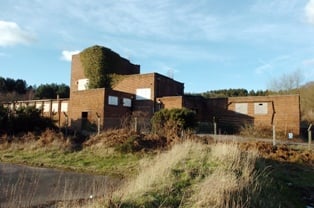
The original bat roost was in the disused Northern United building but some time ago the South West Regional Development Agency installed an artificial roost to tempt them into the woods.
Both roosts are now being used by hundreds of bats, which are protected by a European Habitats Directive.
Regeneration chiefs have to create a bat friendly scheme, but the site is also historically important because it was the last deep mine in the Dean.
A memorial could be created to mark the mine if the buildings have to be bulldozed to make way for the road.
"Everything is in the design stage and we are discussing the options, but nothing has been finalised," said Cinderford regeneration officer Richard Morgan.
"The bats are being surveyed so their flight paths and habits can be taken into account.
"Changing the alignment of the road might be one way of making sure there's no detrimental effect on the bats."
Sustainability officer Alastair Chapman has been working with ERM and engineers at Gloucestershire County Council who are designing the road.
"The specialist survey involves fitting the bats with a very small radio tracker which will give us a better idea of the sensitive sites," he said.
Councillor Graham Morgan, chairman of the regeneration board, which meets today to discuss progress of the plans, said the Homes and Communities Agency would be better at handling such a sensitive site than private developers who would bulldoze it without a second thought.
"It is a significant memorial because it was the last deep mine in the Dean but we would do a good job and try to preserve the heritage of the site," he said.
Regeneration chiefs are pinning their hopes on Gloucestershire College moving to Cinderford and principal Greg Smith says he will still be forging ahead despite the town missing out on development zone status.
A Government inspector will be coming to the Forest of Dean district council HQ in Coleford to discuss the Cinderford action plan on October 18 and 19.
"People are welcome to come along, but only those who have commented or raised an objection during the consultation process will be able to speak," said Richard.
Comments
This article has no comments yet. Be the first to leave a comment.